
Project overview
The HCE office already used Hytronik lighting control. This upgrade connects lighting, radiator heating, the Daikin RXYSQ-T8V VRF system, air quality and energy data through a customised Koolmesh FIN supervisory platform. Building performance can now be monitored in real time and controlled intelligently from one place.
Smart lighting control
Before the upgrade
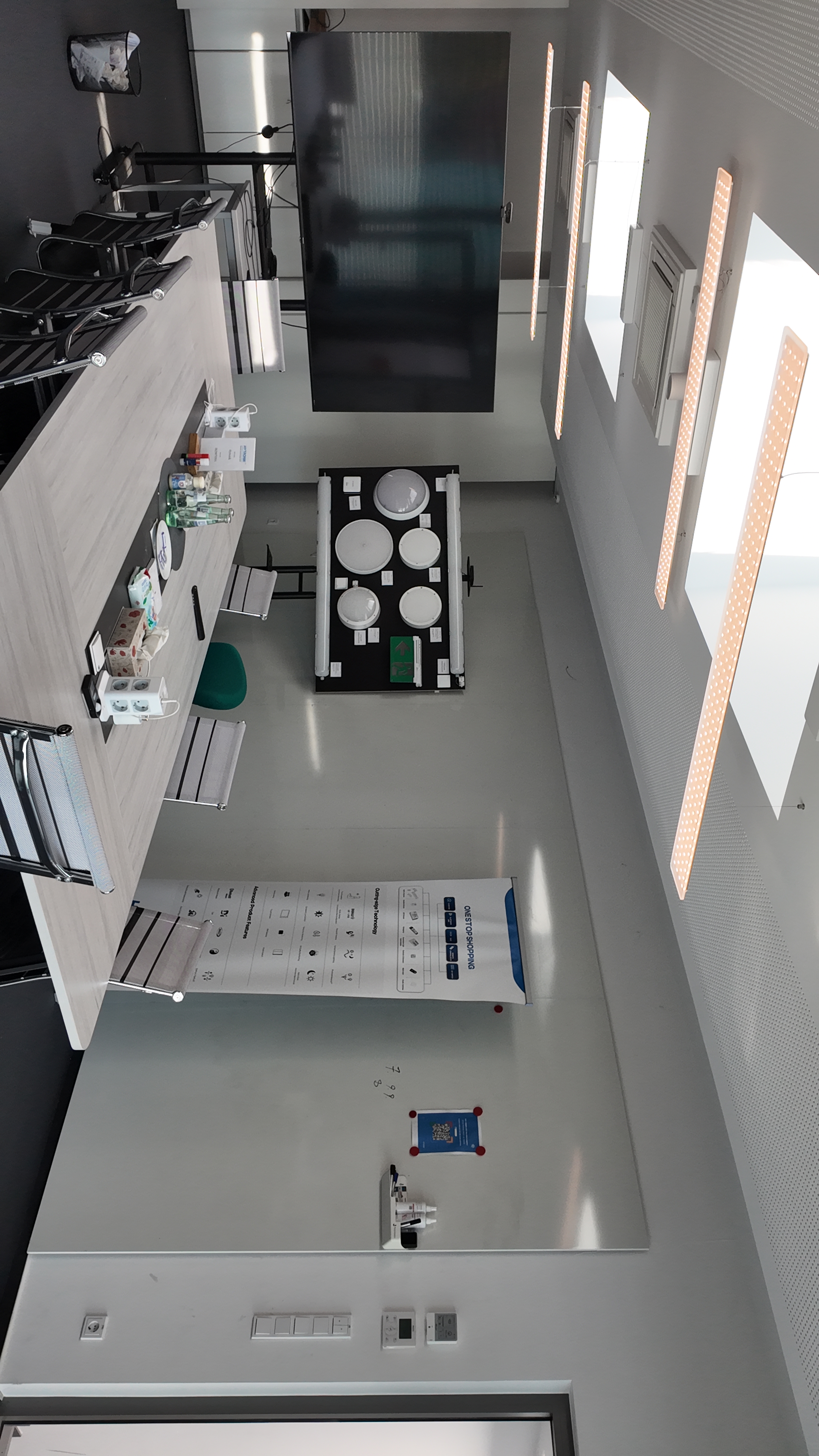
The existing lighting system met basic illumination needs but relied entirely on manual operation. Lights were switched on at the start of the working day and remained at the same brightness regardless of occupancy or available daylight. Staff had to switch them off manually before leaving, and forgotten lights could remain on throughout the night, resulting in unnecessary energy consumption.
After the upgrade
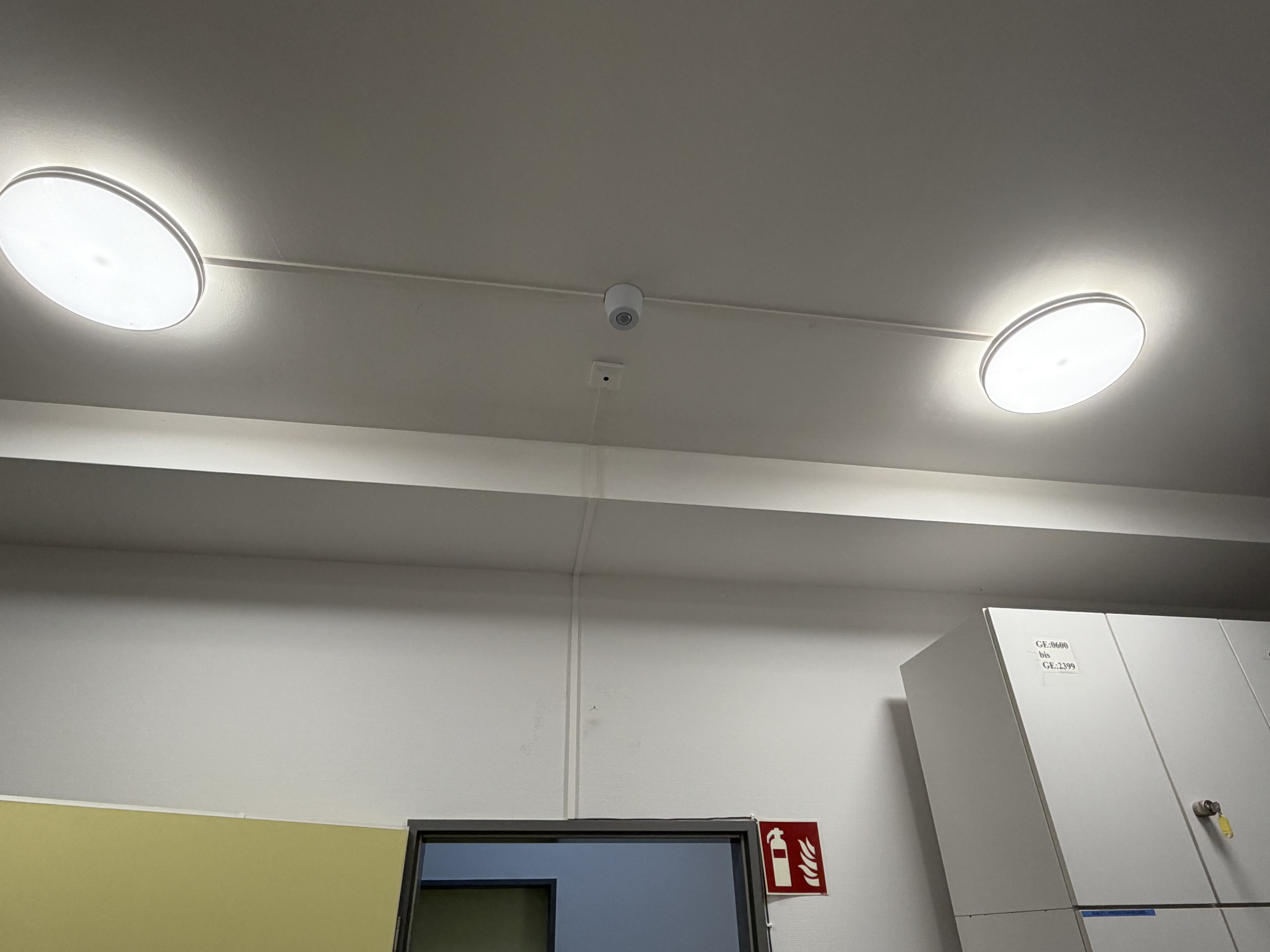
By integrating motion sensors and daylight sensors, lighting now adjusts automatically based on room occupancy and available natural light, reducing unnecessary energy consumption while maintaining a comfortable working environment. The Koolmesh Automation Platform enables centralised monitoring and remote control, allowing staff to check lighting status and adjust settings anytime, from anywhere.
Smart heating and air conditioning
Before the upgrade
The building was already equipped with traditional radiators for heating and a Daikin VRV air conditioning system (RXYSQ-T8V). Both systems relied largely on manual operation. Radiators required individual room-by-room adjustments, while air conditioning had to be switched on manually before meetings and could remain running after the room was empty, leading to unnecessary energy consumption.
After the upgrade
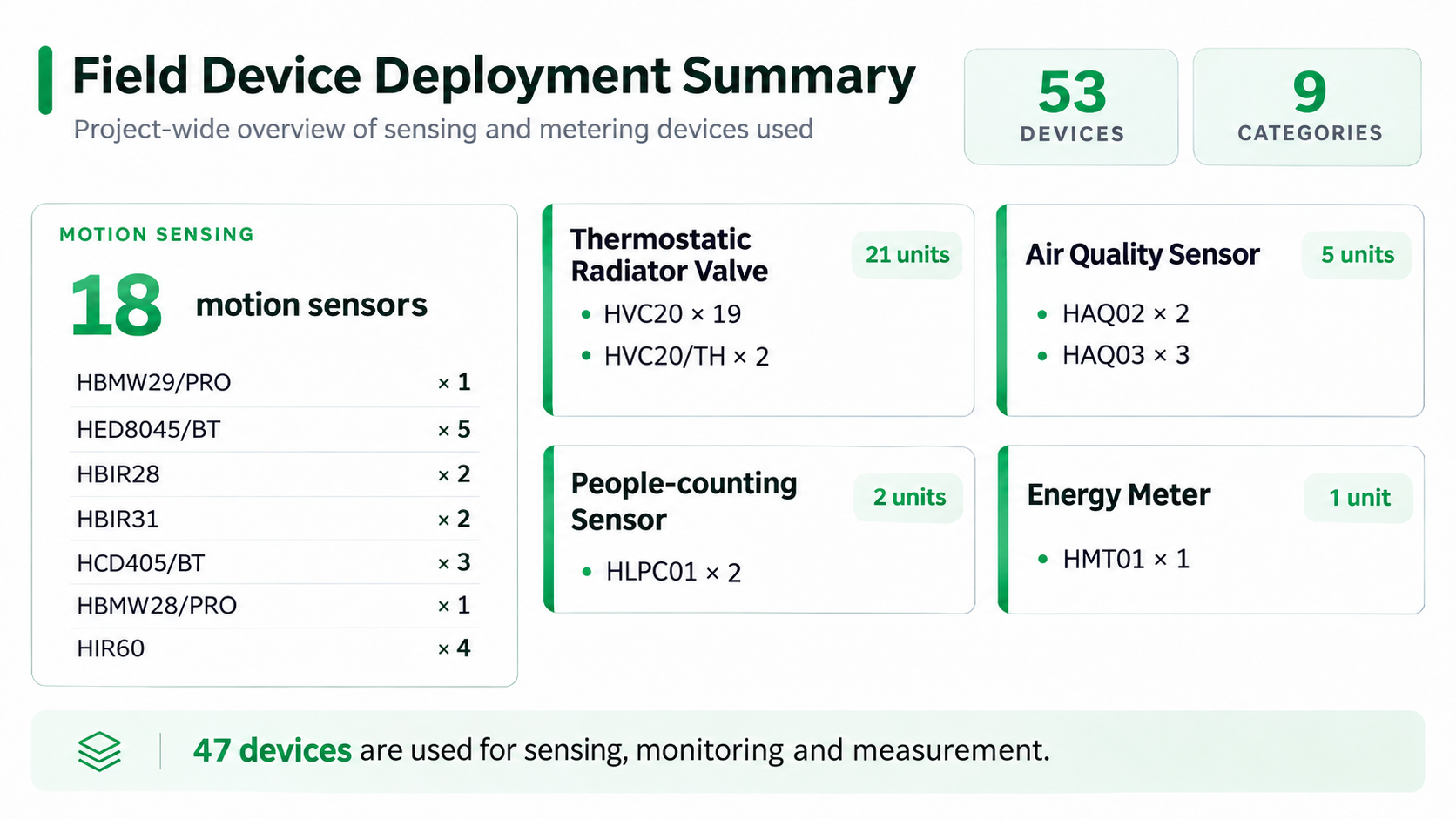
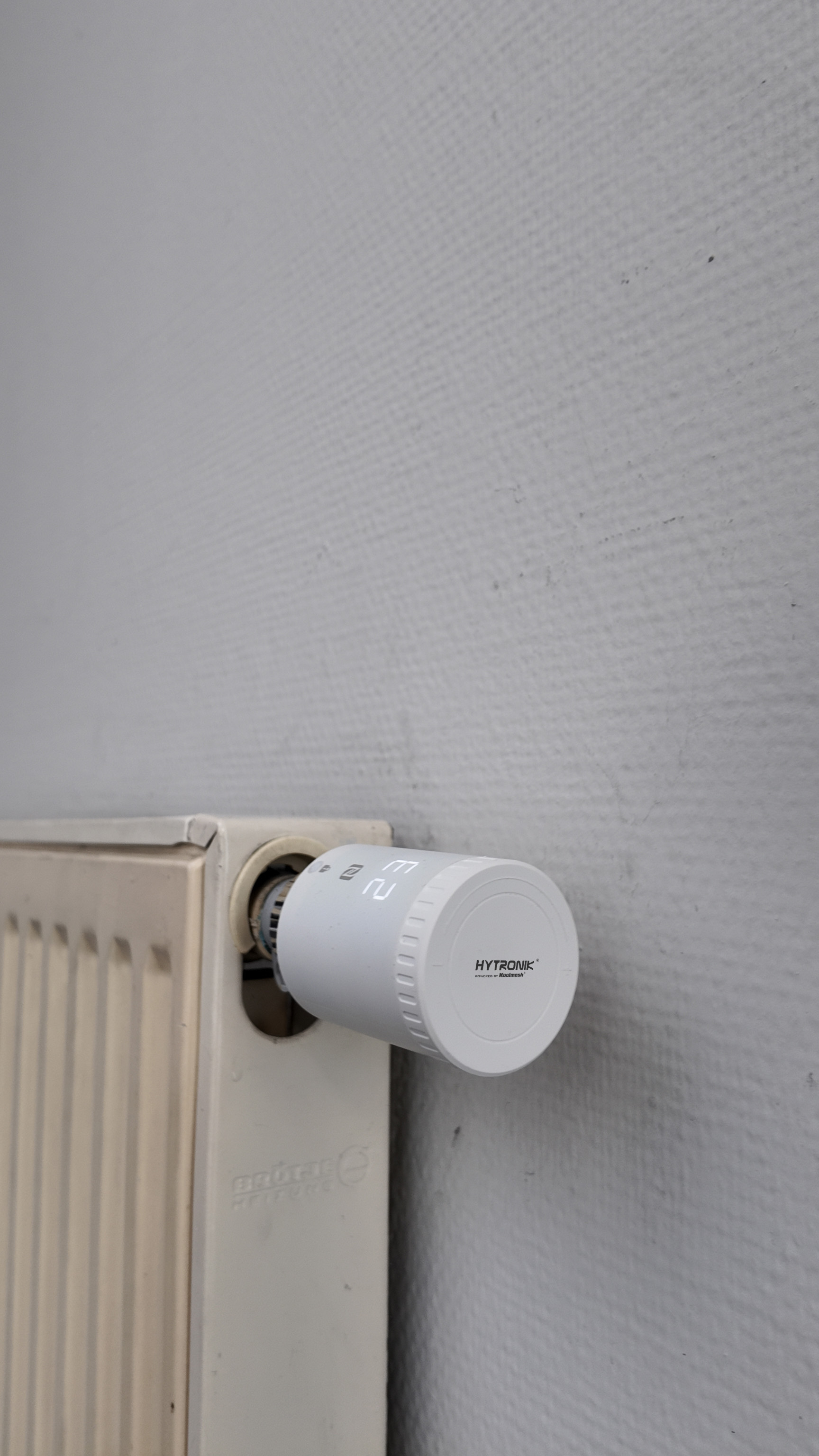
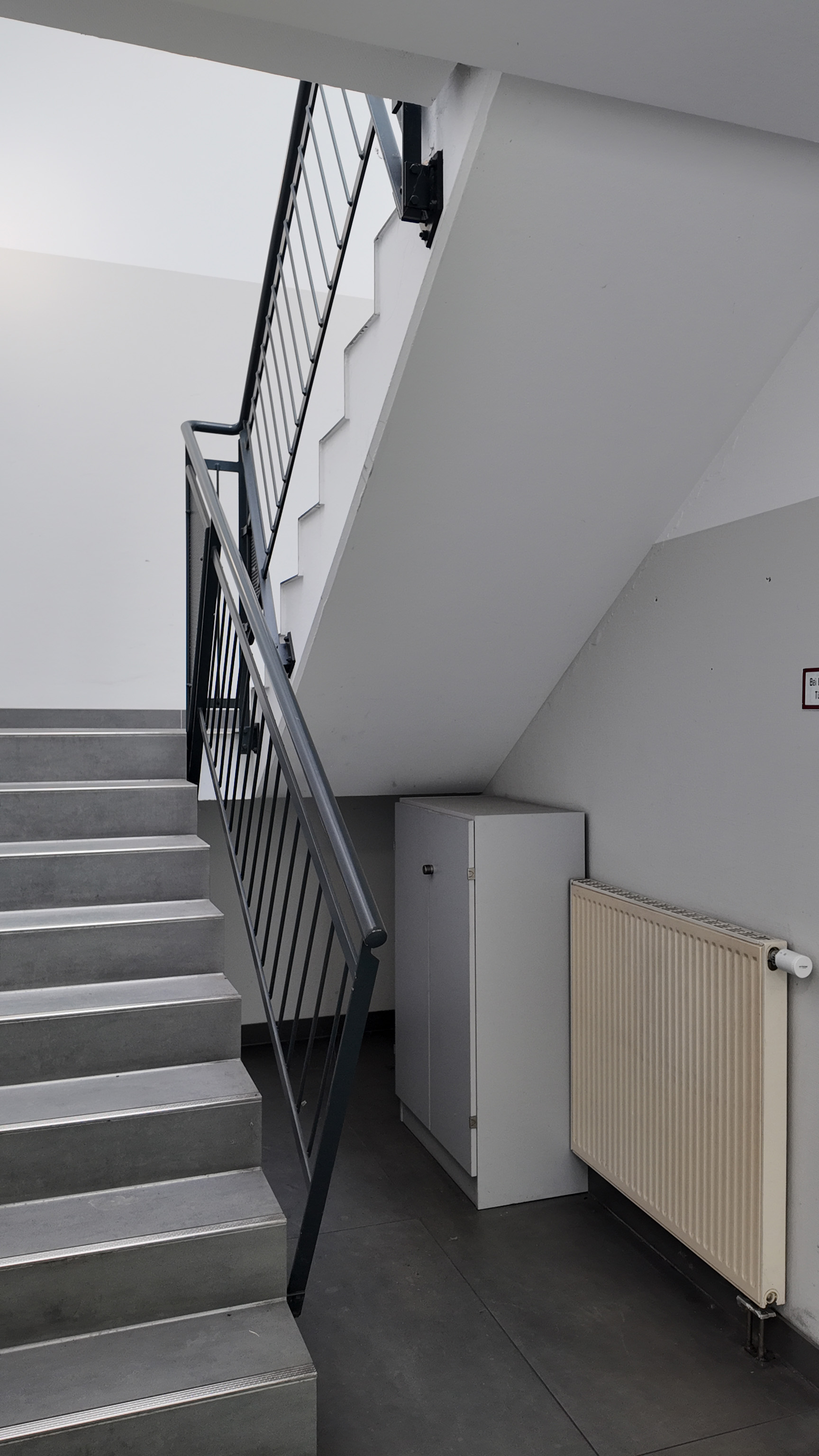
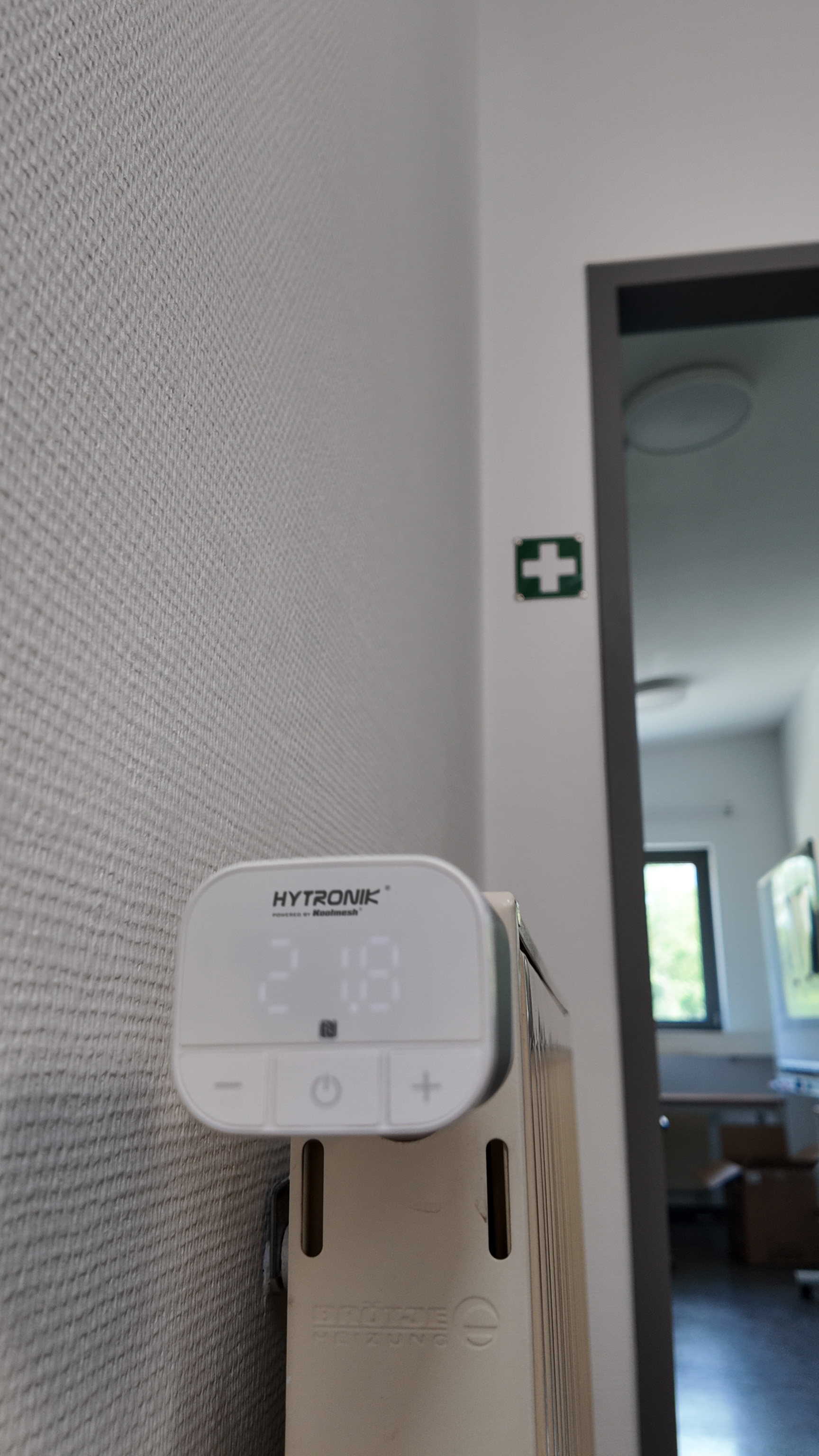
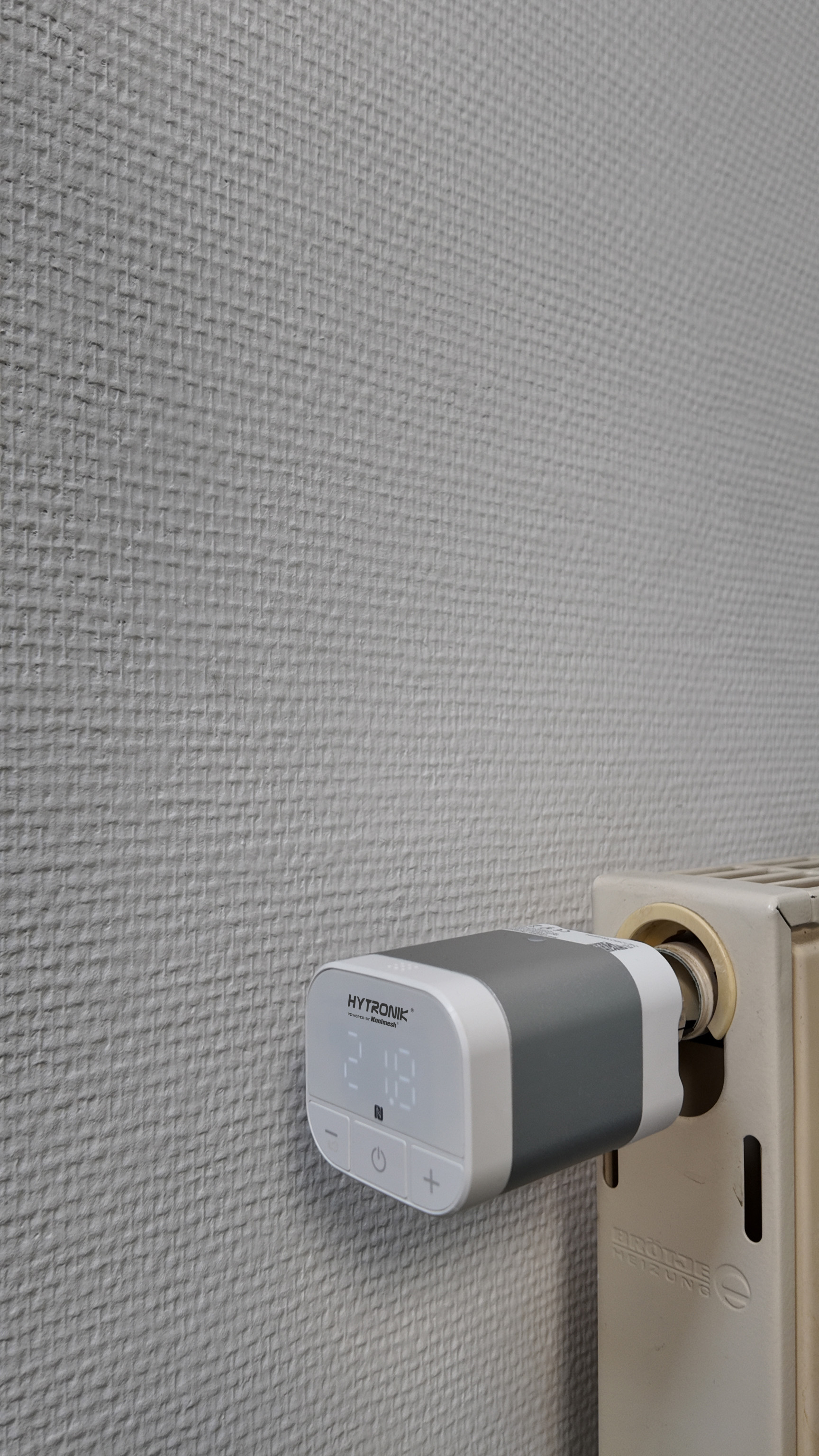
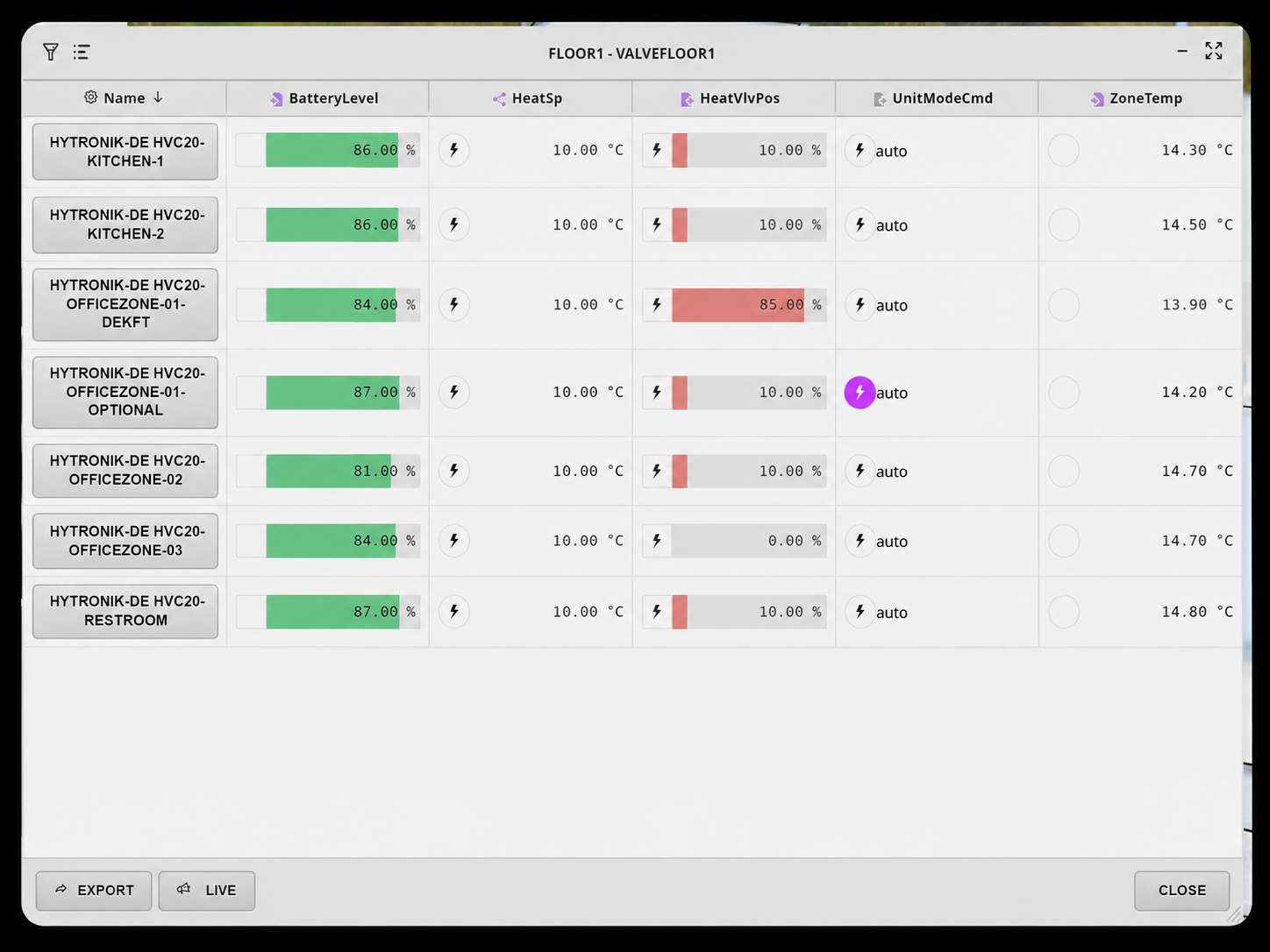
Without replacing the existing heating and air conditioning equipment, smart radiator valves (TRVs), people-counting sensors and temperature sensors were integrated into the building automation system. Radiators can now follow individual schedules and regulate room temperatures automatically, while the existing Daikin VRV system responds to occupancy and temperature conditions to optimise cooling operation. Centralised monitoring and remote control further improve comfort, operational efficiency and energy management.
Air quality monitoring
Before the upgrade
Indoor air quality was not centrally monitored, making it difficult to track CO₂, particulate matter and other environmental conditions across different areas. Without real-time data or automatic alerts, staff had limited visibility into when ventilation was needed.
After the upgrade
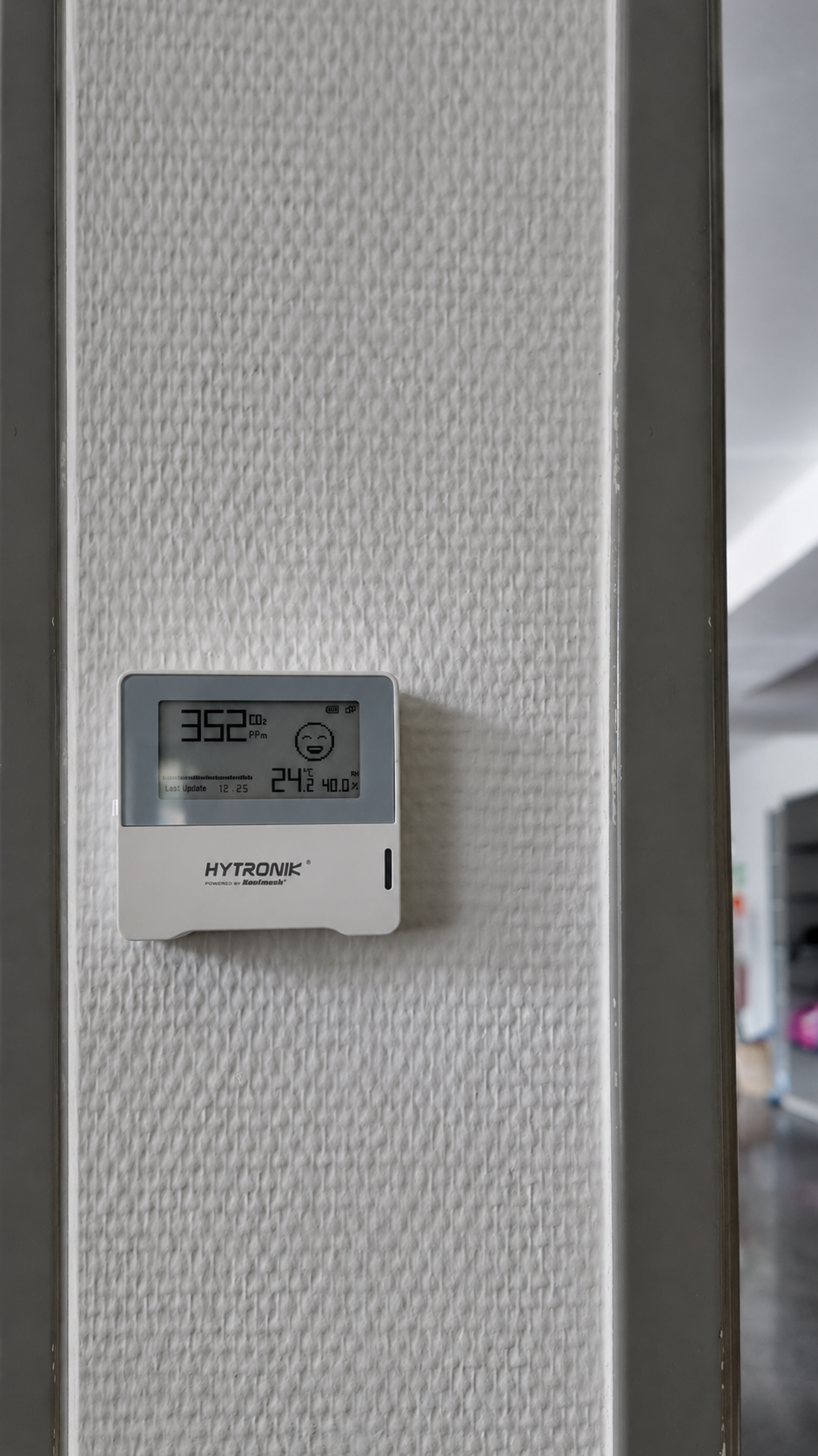
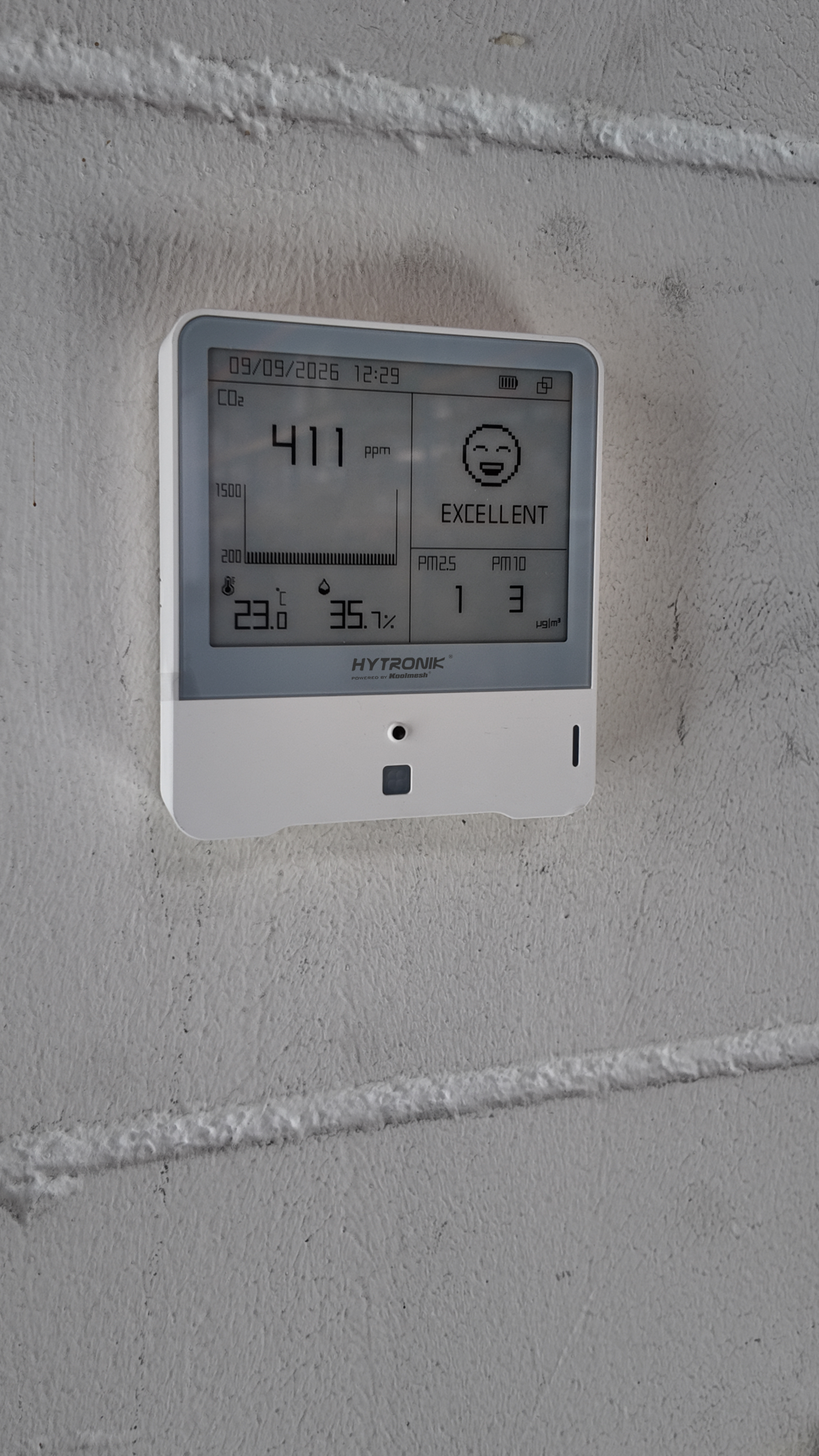
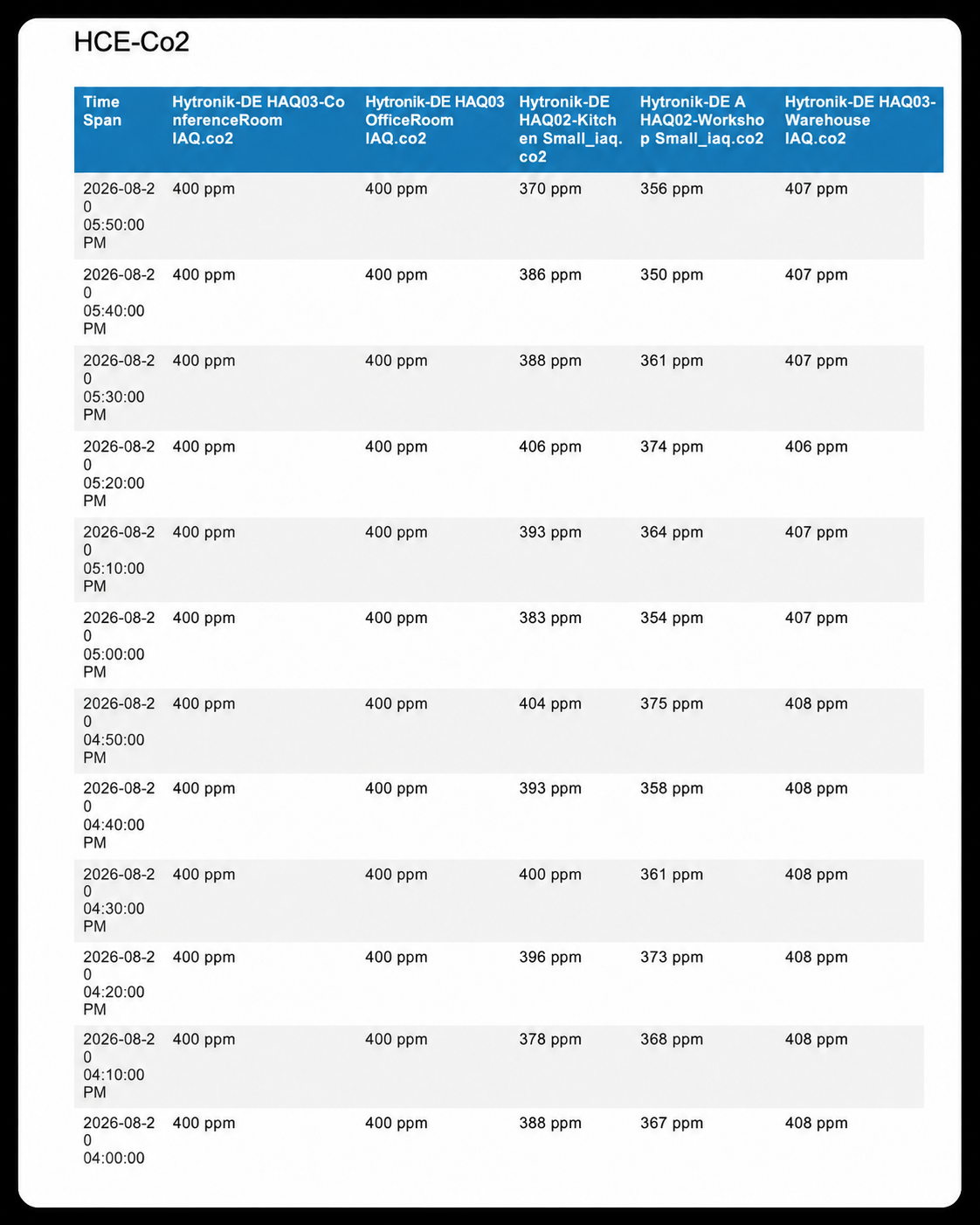
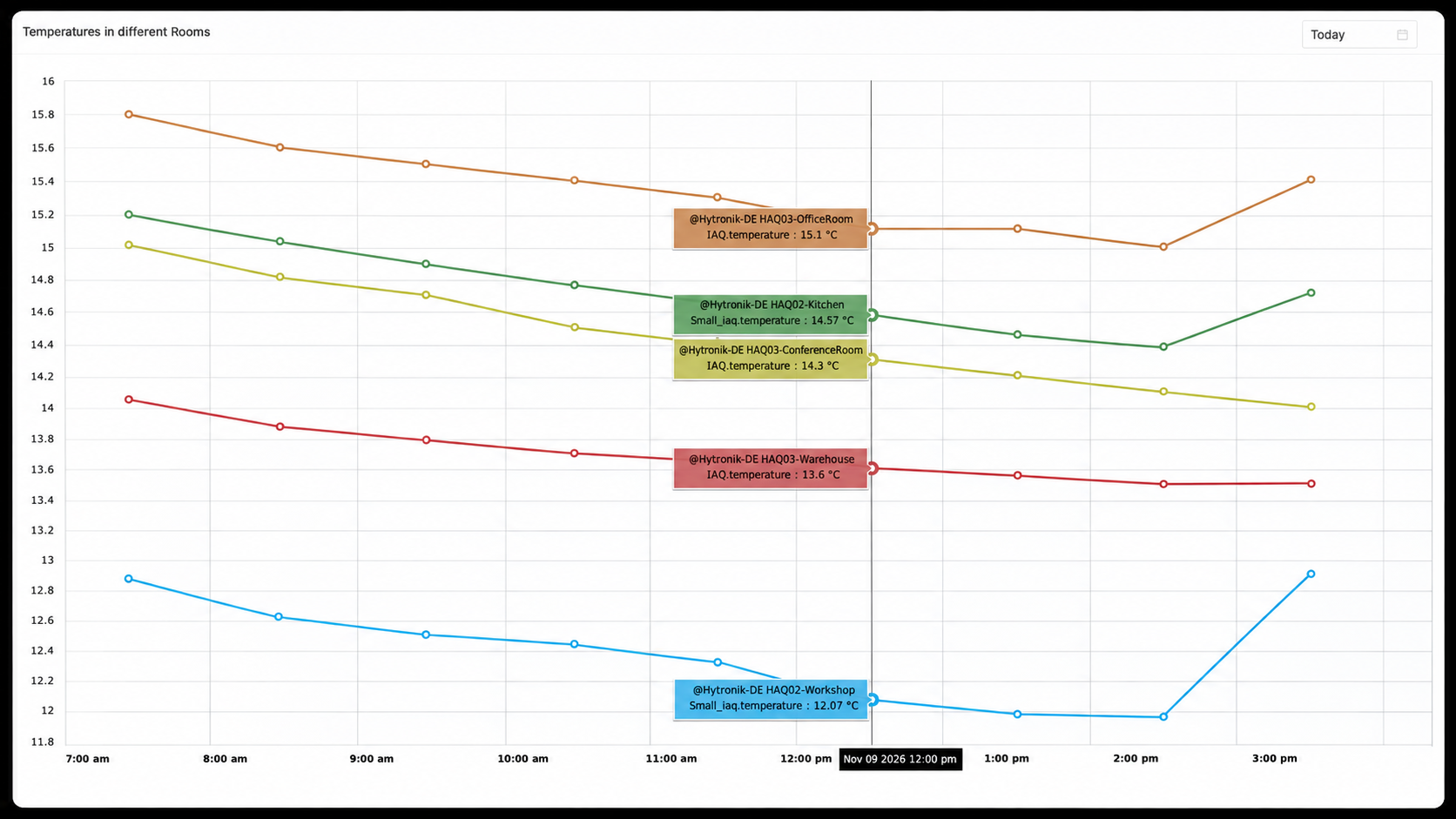
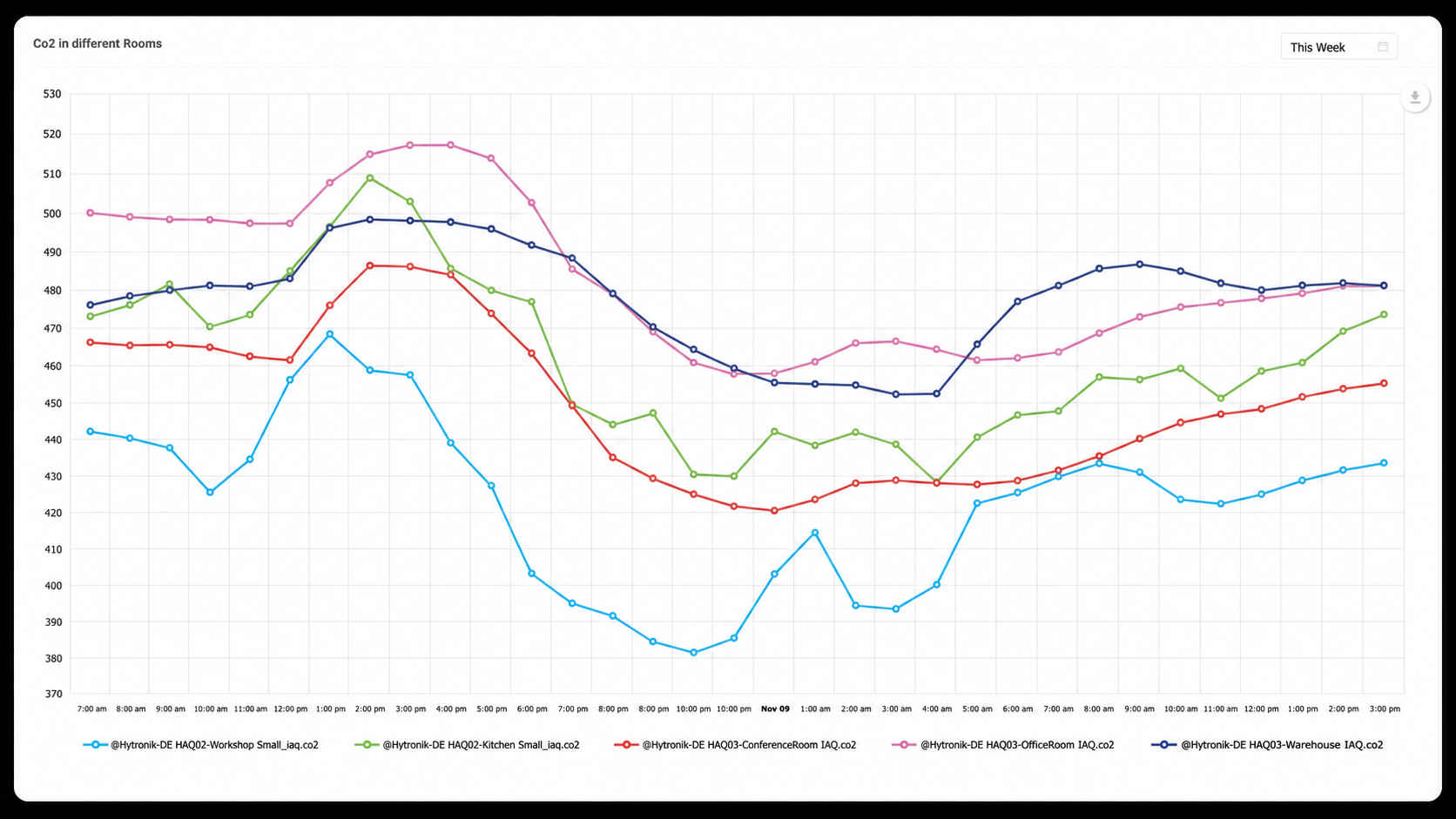
Air quality sensors installed across the building continuously monitor temperature, humidity, CO₂, PM2.5 and PM10. Through the Koolmesh Automation Platform, real-time data is centrally displayed, with configurable alarms that notify users when air quality parameters exceed predefined thresholds, prompting them to take appropriate action, such as improving ventilation. For buildings equipped with mechanical ventilation systems, integration with Koolmesh Automation may also enable automated ventilation control based on air quality conditions, subject to equipment compatibility and project requirements.
Interested in automated ventilation control? Contact Koolmesh to discuss integration options and confirm feasibility for your project.
Centralised device monitoring & energy management
Before the upgrade
Device data and energy consumption information were scattered across individual systems, with no centralised platform for monitoring or analysis. Identifying abnormal readings or equipment faults required manual, device-by-device inspections, making troubleshooting time-consuming and limiting the ability to compare data or identify opportunities for improvement.
After the upgrade
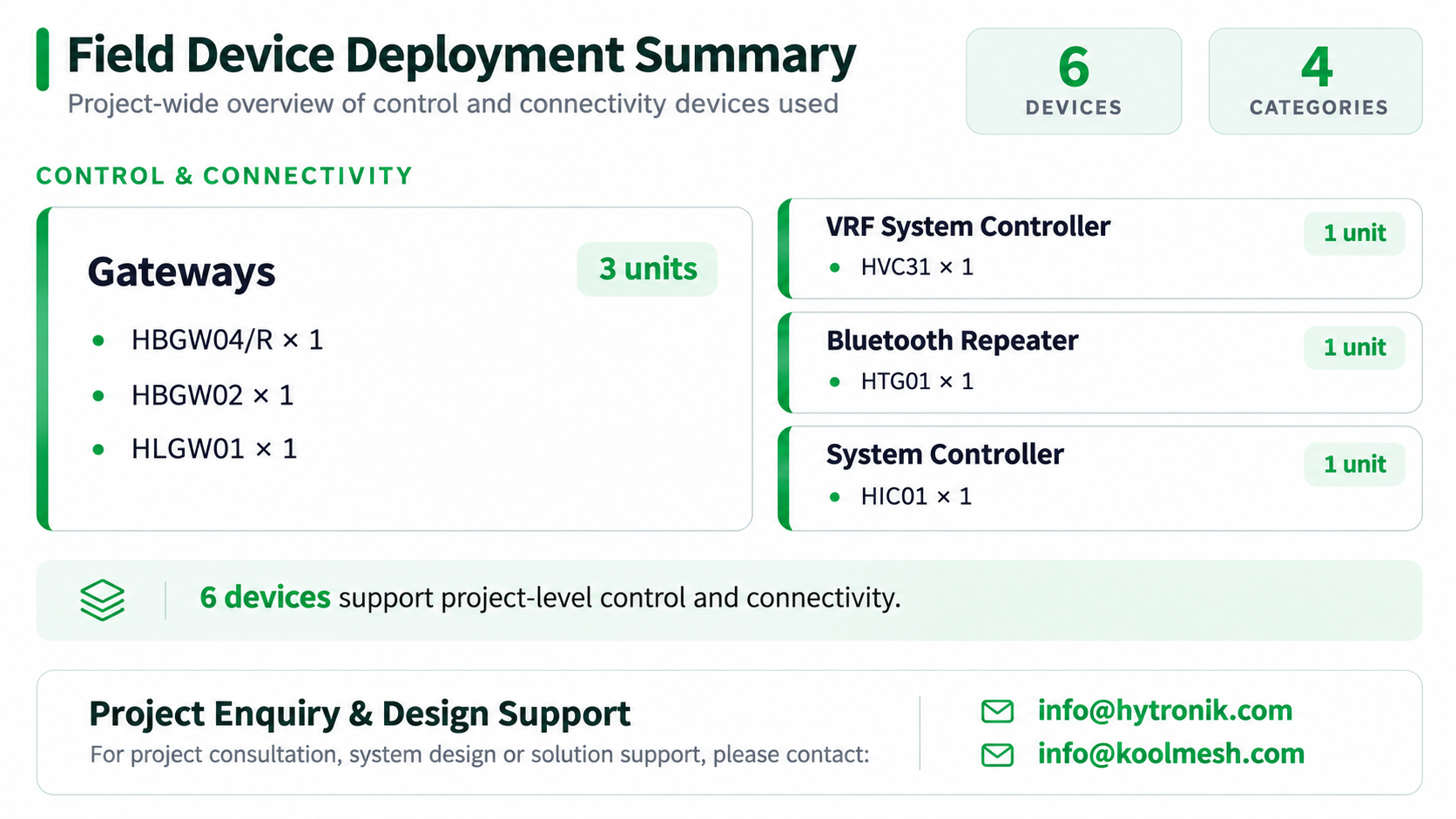
The Koolmesh Automation Platform brings hundreds or even thousands of devices into a single, centralised management system, providing real-time visibility into device status, operating parameters and energy consumption. Users can easily monitor and compare data across devices, quickly identify abnormal readings or equipment conditions, and access historical records through intuitive dashboards. Historical data can also be analysed, compared and exported according to project requirements, enabling more efficient troubleshooting, performance evaluation and data-driven energy management.
Deployment at a glance